







Search Results for: Italian Coffee Culture
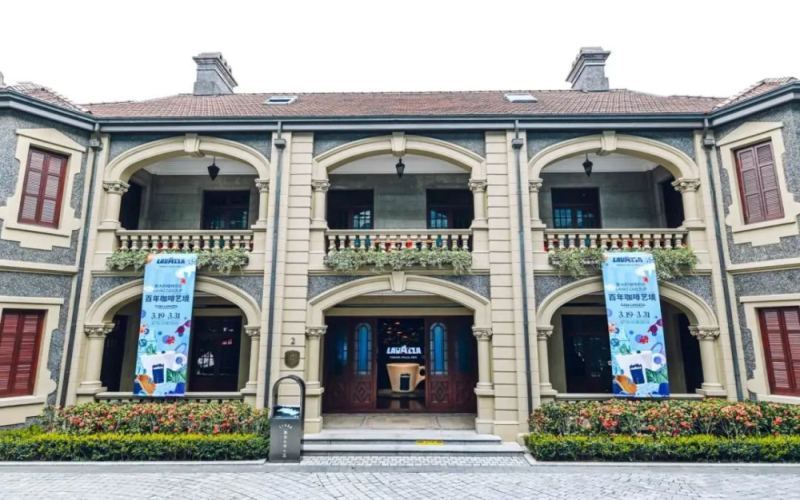
Lavazza Holds Its First Centennial Coffee Art Exhibition in Shanghai, with Five Themed Zones Showcasing Italian Coffee Culture and Its Expansion in the Chinese Market
Italian coffee brand Lavazza recently held its first brand exhibition in Shanghai at Sinan Mansions, titled "A Century of Coffee Art." The exhibition features five distinctive zones, ranging from classic coffee cup art installations to a simulated space station, from antique coffee machines to an artistic photography exhibition, and from coffee blending experiences to an immersive Italian street scene, comprehensively showcasing the cultural heritage and innovative spirit of this 128-year-old Italian coffee brand. The exhibition is free and open to the public, and the first 200 visitors each day can enjoy coffee for just 0.1 yuan. Meanwhile, Lavazza's development in the Chinese market has drawn considerable attention, evolving from its early lukewarm reception to rapid expansion following its partnership with Yum China, with its "thousand-store plan" steadily advancing. [more…]
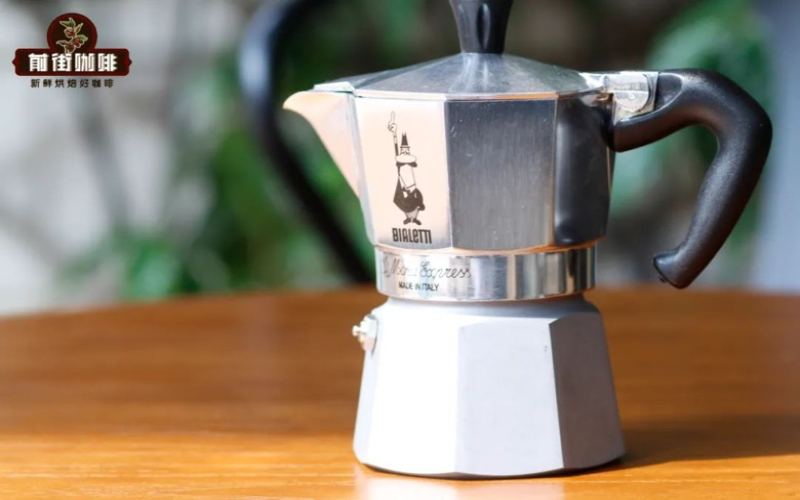
The Italian Family Moka Pot Tradition: National Coffee Culture in an Aluminum Pot
In Italy, the moka pot isn't called a gadget; it's called "the coffee machine at home." It is estimated that over ninety percent of Italian households own at least one moka pot. Every morning, millions of little aluminum pots gurgle one after another on the stove—that is the shared background sound of the nation's morning. Understand this material culture, and you can see why [more…]
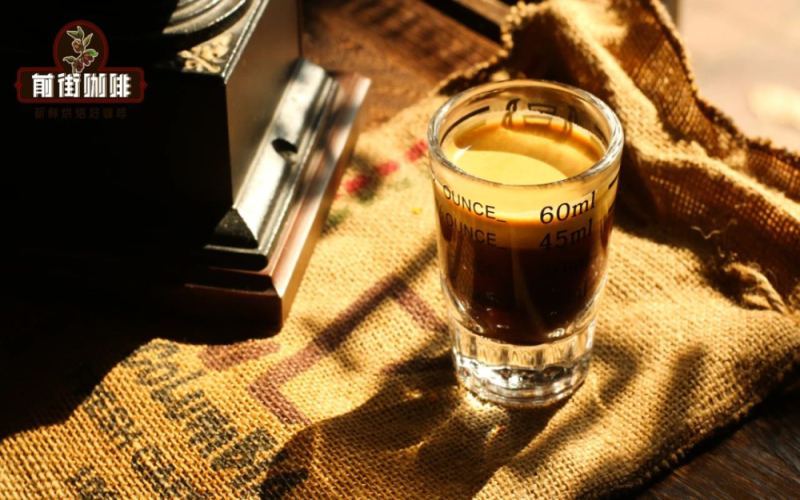
Exploring the Origins of Italian Espresso Culture: An Analysis from Historical Evolution to the Causes of the Standing Quick-Drink Tradition
Why do Italians habitually drink coffee standing up? Why is iced Americano hard to find in Italy? This article begins with the history of how coffee was introduced to Italy, traces the birth of espresso and the evolution of coffee machines, and analyzes Italians' devotion to dark-roast espresso as well as the reasons behind their efficient, quick-drinking culture. At the same time, the article also addresses the reality of foreign tourists ordering iced Americano in Italy, and retains relevant content about the Front Street brand, making it suitable for readers who want an in-depth understanding of Italian coffee culture. [more…]
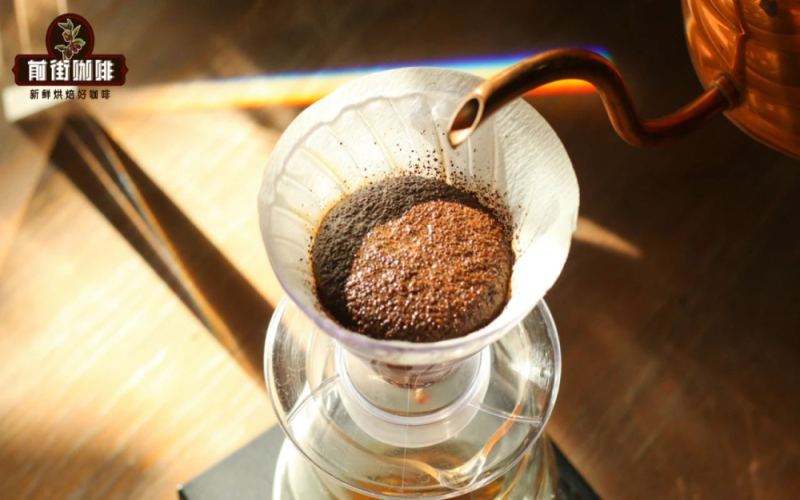
Why are Italians indifferent to freshly ground pour-over coffee? Looking at Italian coffee culture through the evolution of espresso machines
Pour-over coffee has continued to gain popularity worldwide in recent years, yet it has never become mainstream in Italy. This seemingly contradictory phenomenon is in fact closely tied to Italy's centuries-old coffee tradition, its distinctive espresso drinking habits, and its fast-paced lifestyle. From the first introduction of coffee beans at the port of Venice in the 16th century, to the birth of the steam coffee machine in the 19th century, and then to the maturation of 9-bar pressure extraction technology in the 20th century, Italians had long regarded espresso as a daily staple. By comparison, pour-over coffee differs markedly from Italians' consumer perceptions in terms of roast level, strength, price, and preparation time. This article will trace the evolution of Italian coffee culture, analyze the multiple reasons why pour-over coffee has struggled locally, and explore the slowly spreading trend of specialty coffee in Italy. [more…]
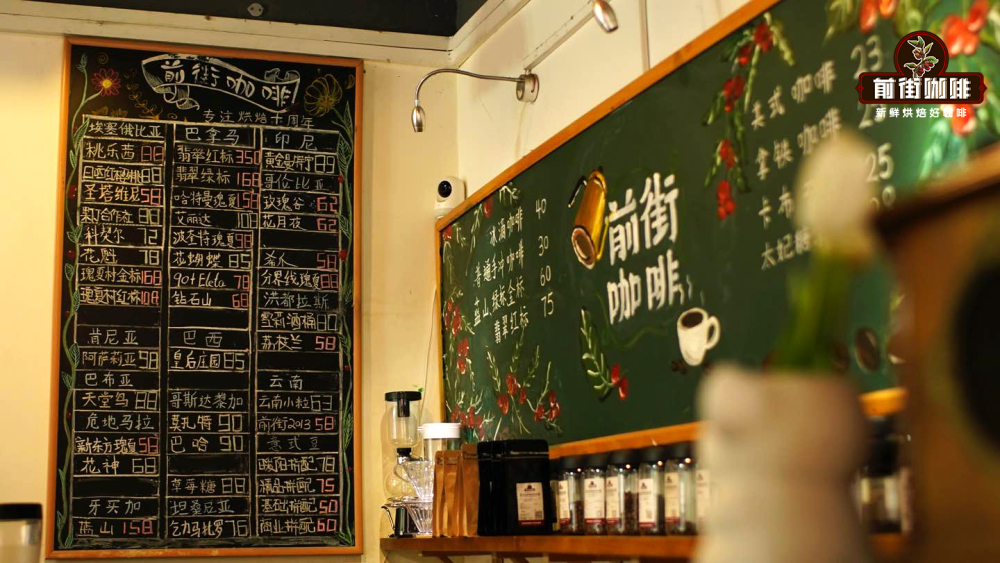
Italian Coffee History and Culture | What Types of Italian Espresso Are There? How Do Short Ristretto, Normal Normale, and Long Lungo Differ?
As is well known, Italian coffee has profoundly influenced the development of the global coffee market. Espresso is an essential beverage in almost every coffee shop. For instance, Front Street Coffee locations offer classic drinks such as Americano, Latte, Cappuccino, and Flat White, while many shops incorporate various additional ingredients to create more creative specialty beverages. [more…]

Tracing the Origins of Italian Coffee Culture: From "Devil's Drink" to Espresso Empire, Why Iced Americano Gets the Cold Shoulder
What happens if you order an iced Americano in Italy? Behind this internet joke lies a complete history of Italian coffee evolution. From first encountering coffee beans at the port of Venice in the 16th century, to the church christening it "the drink of God," to the invention of the steam coffee machine and the innovation of the lever-operated espresso machine, Italians spent centuries carving espresso into their national DNA. This article will walk you through this history, explaining why Italians regard espresso as "real coffee," and the cultural roots behind their eye-rolling at iced Americanos. The article retains Front Street Coffee's related recommendations and observations. [more…]

Italian Coffee Culture | What are the steps to make espresso? What are the key factors that determine the taste of espresso?
For more specialty coffee knowledge, please follow our WeChat official account: FrontStreet Coffee. As an indispensable part of Italian life, every espresso tells a story of region, culture, and the rapid social development it has driven. At the very beginning, [more…]
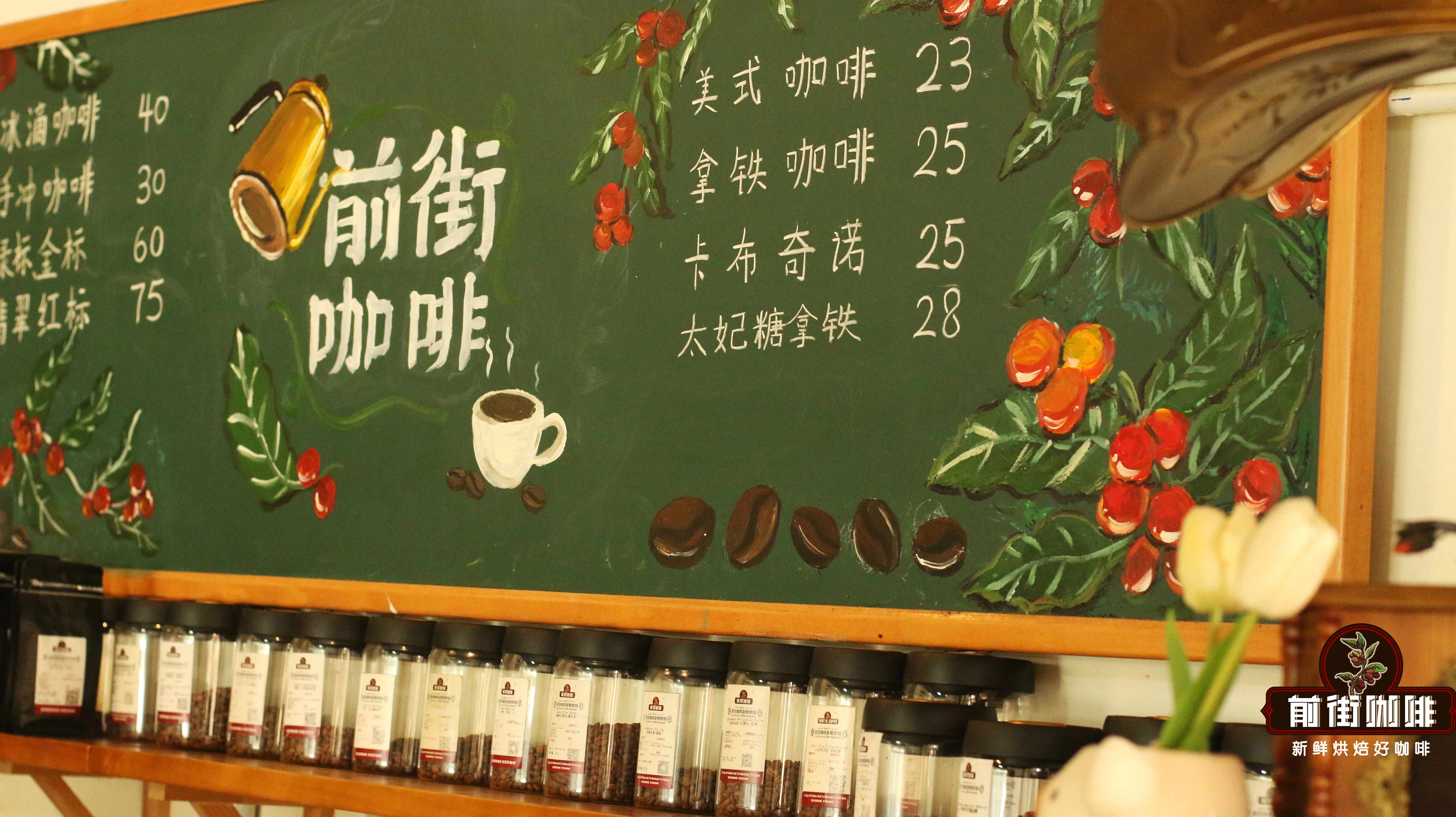
What's the difference between Japanese pour-over and espresso? A comprehensive comparison from brewing methods to coffee culture
Coffee is one of the most beloved beverages in the world, and Japan and Italy have each developed distinctly different coffee systems. Japanese-style coffee is known for extremely dark roasts and gentle, delicate pouring techniques; the Kono style, Matsuya style, and volcano style each have their own characteristics, all designed around how to extract rich, deep-roasted flavors. Italian-style coffee, on the other hand, began at the port of Venice in the 16th century, and through improvements such as the steam machine and the lever machine, eventually pushed espresso to the world and made it the core of the modern coffee system. Today, Front Street Coffee takes you through brewing methods, historical origins, and drinking habits to comprehensively sort out the characteristics and differences of these two major schools. [more…]
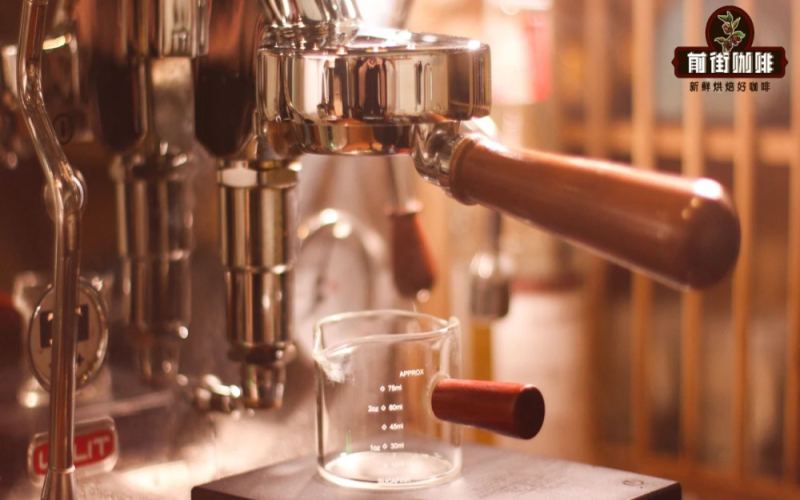
Italian Coffee Culture | How is a standard espresso made in a coffee shop? What are the coffee powder-to-liquid ratio, extraction time, water temperature, and water pressure for a delicious espresso?
For more specialty coffee knowledge, please follow our WeChat official account: Front Street Coffee (FrontStreet Coffee). As an indispensable part of Italians' daily lives, every espresso tells a story of region, culture, and the history that drove rapid social development. The earliest [more…]
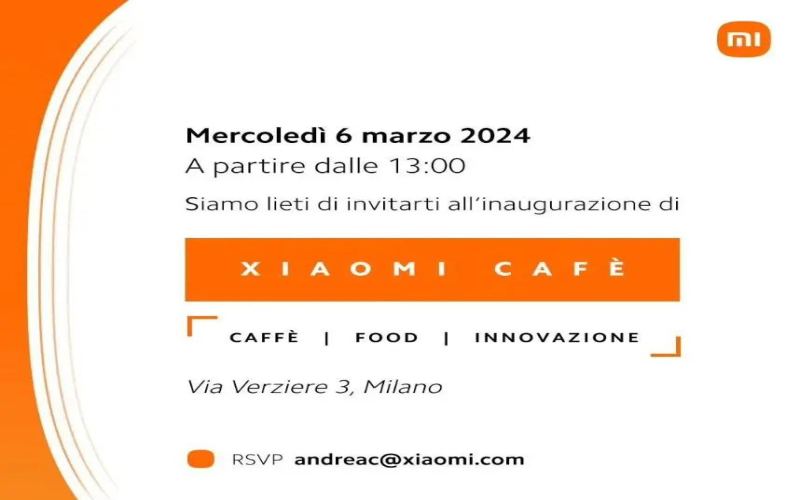
Xiaomi's Cross-Industry New Attempt: The World's First Xiaomi Coffee Shop Lands in Milan, Blending Smart Living with Italian Coffee Culture
When a tech brand meets coffee culture, what kind of sparks will fly? Xiaomi has opened its first global Xiaomi coffee shop in Milan, Italy. This space, named Xiaomi Cafe, not only offers coffee, light meals, and aperitifs, but also integrates Xiaomi's smart ecosystem into real home scenarios, allowing consumers to experience products in a relaxed atmosphere. From phones to cars, and now to coffee, Xiaomi's cross-industry strides are growing ever bolder. Is this café a new window for brand display, or a concrete expression of an intelligent lifestyle? Let's find out. [more…]
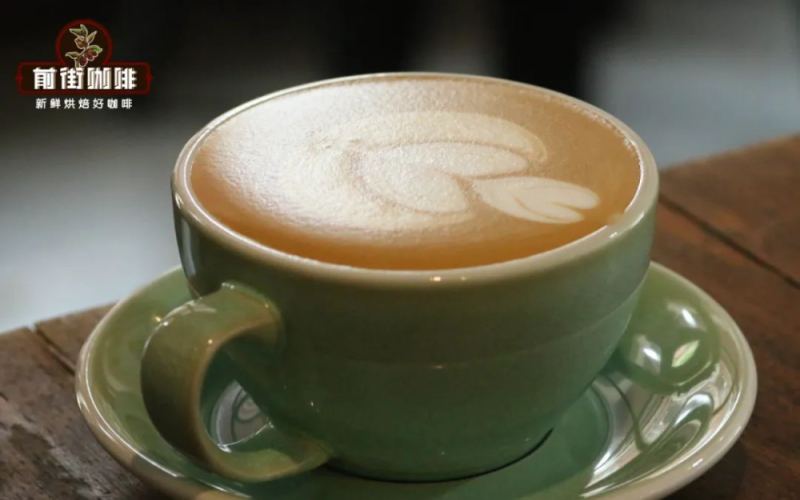
A Complete Guide to Latte: From Italian Culture to Front Street Coffee Bean Selection and Brewing Techniques
Latte originally means milk in Italian, yet today it has become one of the most popular flavored coffees in the world. This article starts with the historical origins of latte, guiding you through the cultural background of this beverage, and delves into the key elements of making a good latte—from selecting coffee beans and controlling the resting period, to the ratio of espresso to milk and the temperature control of milk foam. We will also introduce several espresso blend beans under the Front Street Coffee brand, including the Classic Blend, Black Cocoa Blend, and Strawberry Candy Espresso Blend, which are suitable for beginners, home users, and advanced enthusiasts respectively. Whether you prefer the vanilla-chocolate sweetness of a hot latte or the refreshing taste of an iced latte, you will find practical references here. [more…]

Why are Italians so resistant to American coffee? The cultural beliefs and historical origins behind espresso
What actually happens when you order an Americano in Italy? A first-hand answer from an Italian netizen reveals this amusing cultural phenomenon: Italians usually don't drink Americanos, and café owners will simply give you an espresso and a cup of hot water to dilute it yourself. More interestingly, when Italians see someone adding water to an espresso, their reaction can be described as intense. Behind this is not just a matter of taste preference, but something tied to national identity and cultural dignity. Espresso was included in UNESCO's candidate list for Intangible Cultural Heritage in January this year. It carries Italy's coffee history from the 16th century to the present, from the "drink of the devil" to the "drink of God," from the first coffee house to the invention of the steam coffee machine. Espresso has long been part of Italy's national identity. [more…]
Caffè Florian: A Three-Century Italian Coffee Legend from Venice's St. Mark's Square to the World
In St. Mark's Square in Venice, there is a café that spans nearly three centuries—Caffè Florian. Since its founding in 1720, it has not only been Italy's oldest coffee house but also an important witness to European culture and art. From Goethe and Byron to Andy Warhol, countless celebrities have left their footprints here; from the birth of the Venice Biennale to the tradition of live European-style orchestral music, Caffè Florian has always been closely connected with art. In 2015, it entered Asia for the first time, settling in Shinkong Place in Suzhou, presenting 295 years of Italian coffee culture to Eastern customers in its authentic form. This article will take you to explore the origins of Caffè Florian, anecdotes about famous figures, its musical traditions, and its global branch layout, and to experience the charm of coffee that has been cultivated over three centuries. [more…]
Italian Espresso Pricing Controversy: Decaf Sold at 2 Euros Leads to a 7,000 Yuan Fine, Champion Barista Speaks Out
Italian espresso is regarded as a national cultural symbol and has long maintained a low price of around 1 euro. After the pandemic, costs rose, and some cafés raised the price to 1.5 euros, which sparked consumer dissatisfaction. Recently, a three-time coffee competition champion was fined 1,000 euros (about 7,109 yuan) because a decaf espresso was priced at 2 euros and the price was not listed on the physical menu. He posted a question: why do Italians accept a 2-euro newspaper, yet feel that a 1.2-euro espresso is not worth it? When the specialty coffee wave meets the traditional low-price culture, the pricing dilemma of Italian espresso is worth pondering. Front Street Coffee continues to follow global coffee industry trends and brings you in-depth reporting. [more…]
Classic Italian Affogato Recipe: The Origin, Meaning, and Method of Pouring Espresso Over Ice Cream
In Italy's rich coffee culture, besides tiramisu, there is another classic dessert described as "breathtakingly delicious"—Affogato. It combines Italian gelato with freshly brewed espresso, creating a unique experience of ice and fire, with a balance of bitterness and sweetness. This article introduces the origin of the name Affogato and its meaning of "drowning," the diverse recipes that have evolved in different regions, and the core differences between Gelato and American-style ice cream, followed by simple and easy-to-follow preparation steps. Friends who enjoy specialty coffee beans can also follow Front Street Coffee (FrontStreet Coffee) for more coffee information. [more…]

Types of Black Coffee | What is Japanese-style Coffee? What Are the Japanese Coffee Brewing Methods? What Are the Differences Between Japanese-style and Italian-style Coffee?
Coffee is a beloved beverage all over the world and the most popular drink globally. When it comes to dedication to coffee, Japan undoubtedly stands out, because Japan's coffee culture has a very long history, and Japanese coffee craftsmen are also highly dedicated. As another mainstream representative, [more…]

Where Exactly Do Nordic Roasting and Italian Roasting Differ? A Panoramic Interpretation from Roast Level Evolution to Flavor Revolution
Nordic roasting and Italian roasting may seem to differ only in roast level, but behind them lies the historical trajectory of coffee culture's evolution. Italian and French dark roasts long dominated the coffee world, while the Nordic region, having encountered coffee relatively late, was not bound by a bitter-flavor aesthetic, and instead gave rise to a rebellious light-roast style. From the initial "high-heat blast roasting" to the gentler methods refined by Norwegian roasters, Nordic roasting gradually developed into its own school, and ultimately drove the entire industry to shift from the reign of dark roasts to an era dominated by acidity and light roasts. This article provides a complete overview of this evolutionary process, helping you understand the core differences between the Nordic approach and the Italian style. [more…]
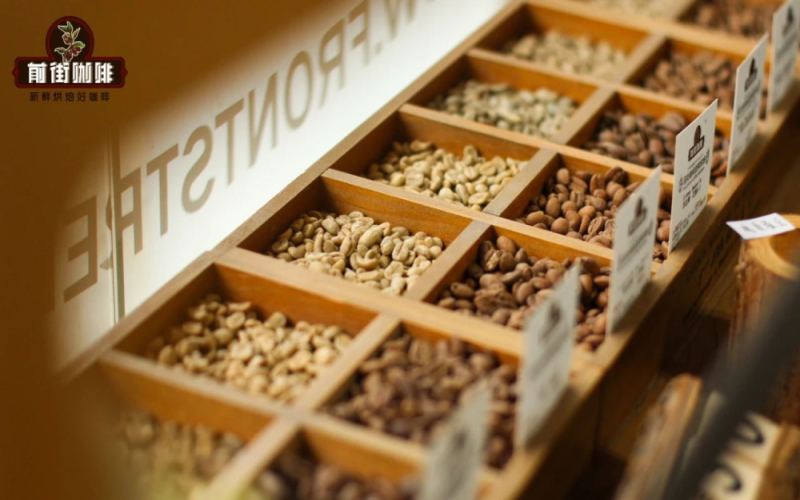
SOE Single-Origin Espresso Full Analysis: Flavor and Parameters of Yirgacheffe Red Cherry Americano
From classic espresso to the globally popular Americano, and on to the many milk-based specialty drinks, the evolution of Italian-style coffee has been rich and varied. Yet among the many coffee categories, SOE (Single Origin Espresso) remains relatively niche. With the spread of specialty coffee culture and the promotion of domestic chain brands, SOE is gradually finding its way into coffee lovers' daily lives. This article will introduce you to the definition, history, and characteristics of SOE, and, using the Yirgacheffe Natural Red Cherry as an example, explain in detail how to make a delicious Americano with SOE, exploring its flavor expression and parameter settings. [more…]
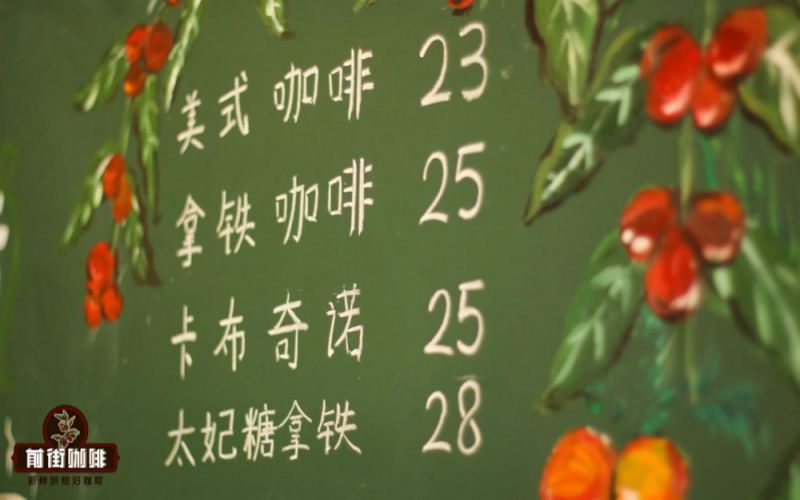
Flat White Hot vs. Iced: A Comparative Analysis of Its Place Among Cappuccino and Latte in Italian Coffee Culture
In 2015, Starbucks introduced the flat white to the Chinese market and translated it as "Fu Rui Bai." This drink, commonly known as "Ao Bai," had actually been popular in New Zealand and Australia for decades. Like a cappuccino or a latte, it is based on espresso, yet because of differences in foam thickness, the ratio of coffee to milk, and the extraction method, it delivers a completely different mouthfeel. This article, from the perspective of Front Street Coffee, sorts out the differences between hot and iced flat whites, and compares it one by one with cappuccino and latte in terms of preparation details and flavor positioning, to help coffee lovers find the cup that suits them best. [more…]
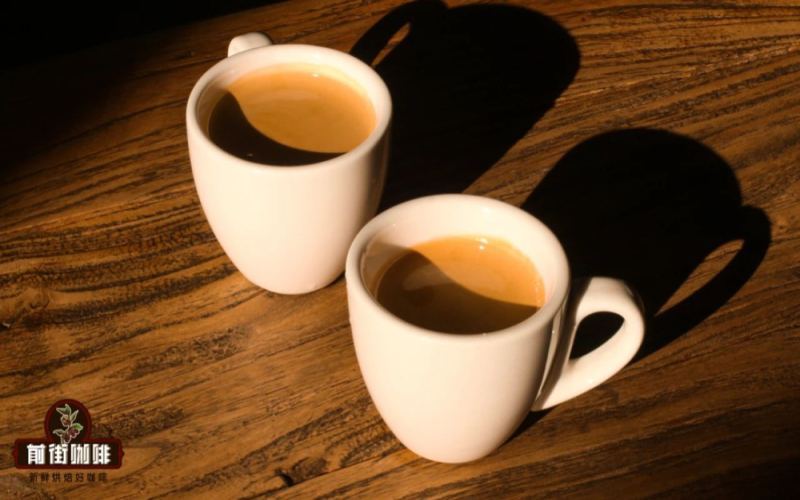
From Turin's Steam Patent to the 9-Bar Lever: The Origins, Evolution, and Drinking Tradition of Italian Espresso
Espresso is the most recognizable symbol of Italian coffee culture, but its birth was by no means an overnight affair. From the "devil's drink" that entered through the port of Venice in the 16th century, to Clement VIII giving it the name "the drink of God," and then to the layered improvements of the Turin steam-power patent, the Bezzera lever espresso machine, and the Gaggia 9-bar lever, Espresso moved step by step toward modernization. At the same time, Italians developed a unique set of habits: drinking it standing up and quickly, favoring dark roasts with a bold taste, and always having one after a meal. A cup of espresso costing about 1 euro has long been woven into the fabric of daily life. This article sorts out the origins and drinking traditions of Italian espresso, and, combined with four espresso blend beans from Front Street Coffee, provides a practical reference for choosing beans. [more…]